How South African schools pay for acoustic treatment
Updated 4 min read
Acoustic treatment has to be paid for like anything else a school improves. These are the usual routes for South African schools, and the rules that come with each: the school budget, parents and fundraising, donors with a tax receipt, and companies. This is general information, not legal or tax advice.
Start with the facts about each room
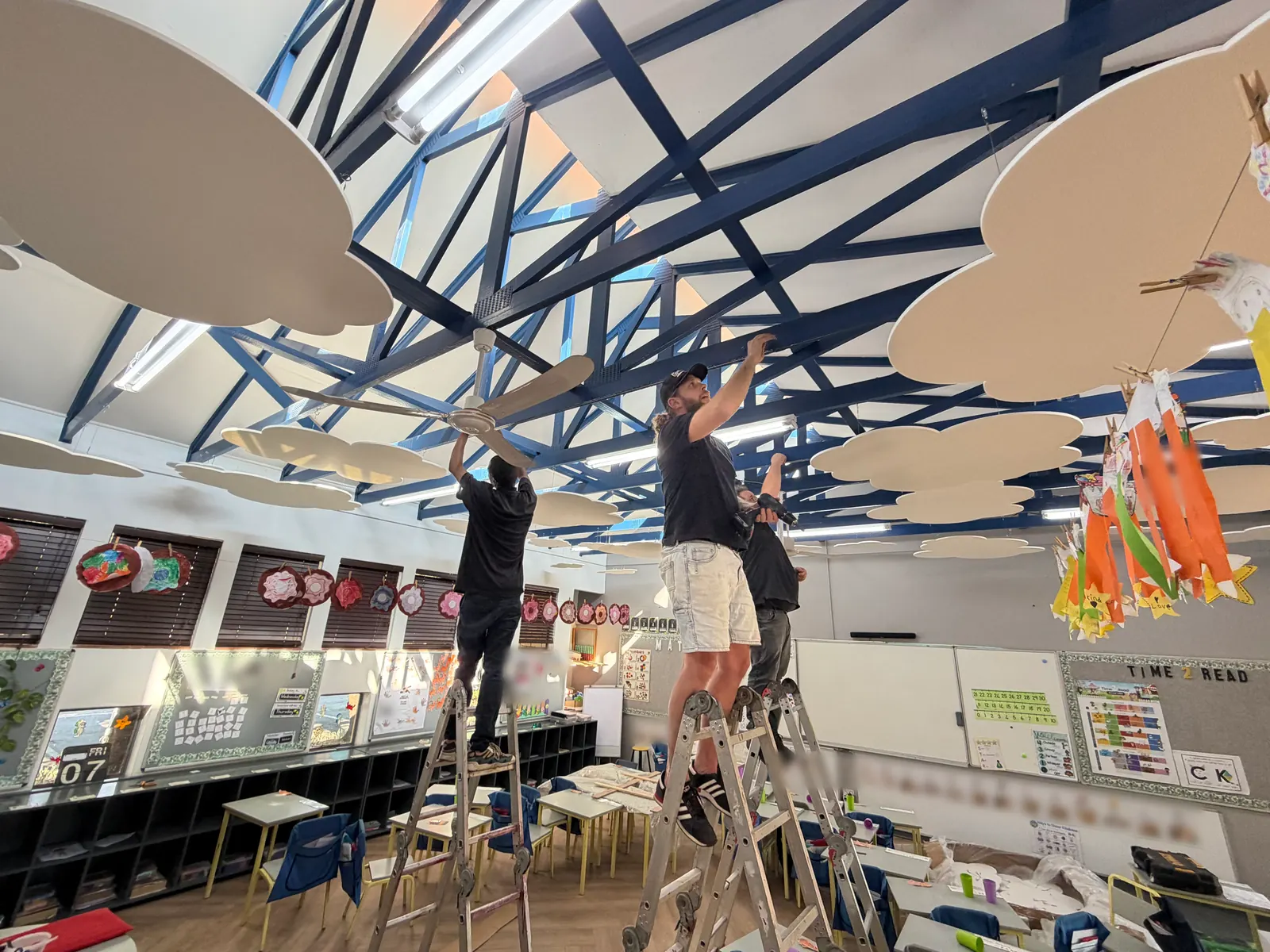
A governing body can only budget for what it can see. That is why a site visit comes before every quote: we measure each room, and you get a written report with our recommendation for each room at each level, Still, Form and Hush, so you can choose what fits your budget and start with the rooms that echo most.
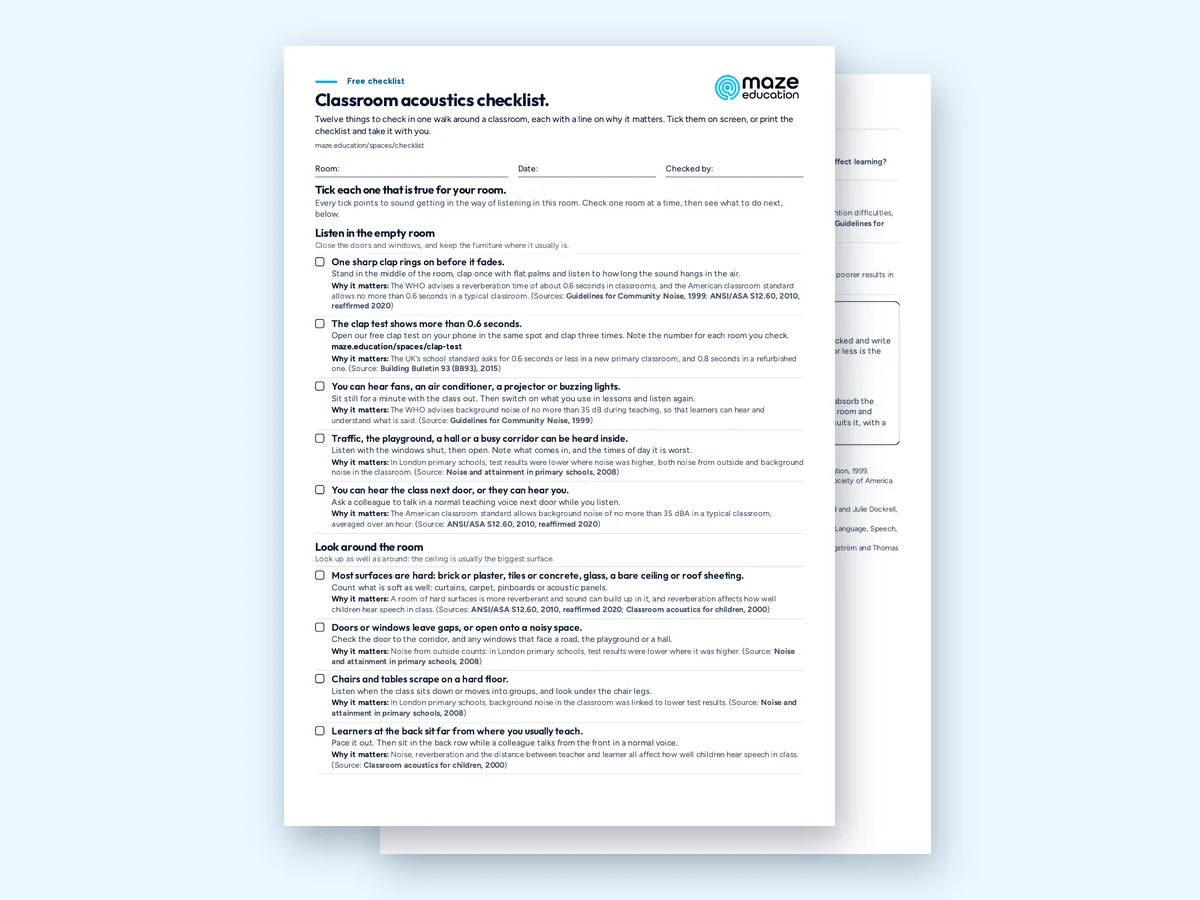
Our free classroom acoustics checklist and the clap test help you decide which rooms to show us first.
The school's own budget
For a public school, the Schools Act asks the governing body to "take all reasonable measures within its means to supplement the resources supplied by the State" (section 36). The governing body prepares a budget each year, and before it approves the budget, the budget goes to a general meeting of parents, called on at least 30 days' notice, for approval by a majority of the parents present and voting (section 38).
So the simplest route is to put the work into next year's budget, with the report and quote in hand before the budget meeting. Since the 2024 amendments to the Act, moving money to a different purpose during the year, or changing the budget by 10% or more, needs its own parents' meeting, on at least 14 days' notice (section 38(4)).
Two more rules matter. Maintaining and improving the school's buildings is one of the functions a governing body can apply to the provincial head of department to be given (section 21), so check which functions yours holds, and ask your district office if you are unsure. And a governing body may not enter into any loan, lease or overdraft agreement without the head of department's written approval (section 36(2)).
Parents and fundraising
All money a public school receives, school fees and voluntary contributions included, goes into the school fund, and money donated for a purpose must be used for that purpose (section 37). So a fundraiser for calmer classrooms should say clearly what it pays for, and the school then spends it on that.
The Act also lets a governing body allow reasonable use of the school's facilities for fundraising, and charge a fee for it (section 20(2)). Hiring out the hall for an evening, or a market day on the field, can go towards a room.
Donors and section 18A receipts
A donation goes further when the donor can claim it against tax. Under section 18A of the Income Tax Act, a donor can deduct a donation to an organisation SARS has approved, with a section 18A receipt from that organisation. The activities that qualify include "the provision of school buildings or equipment for public schools".
A few points from SARS's guide to know before you ask:
- Only an organisation SARS has approved can issue section 18A receipts, and only from the date SARS confirms the approval.
- For most donors the deduction is capped at 10% of taxable income, and any amount over the cap carries over to the next year.
- School fees, compulsory levies, tickets to a fundraising dinner or golf day, raffle tickets and pledges are not donations, so they do not qualify.
- A donation is given freely, with nothing in return for the donor.
If your school is not approved yet, SARS publishes a basic guide to section 18A approval, and your auditor or accountant can help with the application.
Companies
Companies give to schools too. Most give for the socio-economic development points on their B-BBEE scorecard, and a school with section 18A approval can also issue them a section 18A receipt, so they can claim the same deduction within their own 10% limit. Ask early what a company needs from you, such as that receipt or a short report on how the money was used. Our written report and quote help here: they show what the money buys, room by room.
Independent schools
The budget rules above are for public schools. Independent schools follow their own constitutions, but the section 18A rules work the same way once SARS has approved the school.
One step to start
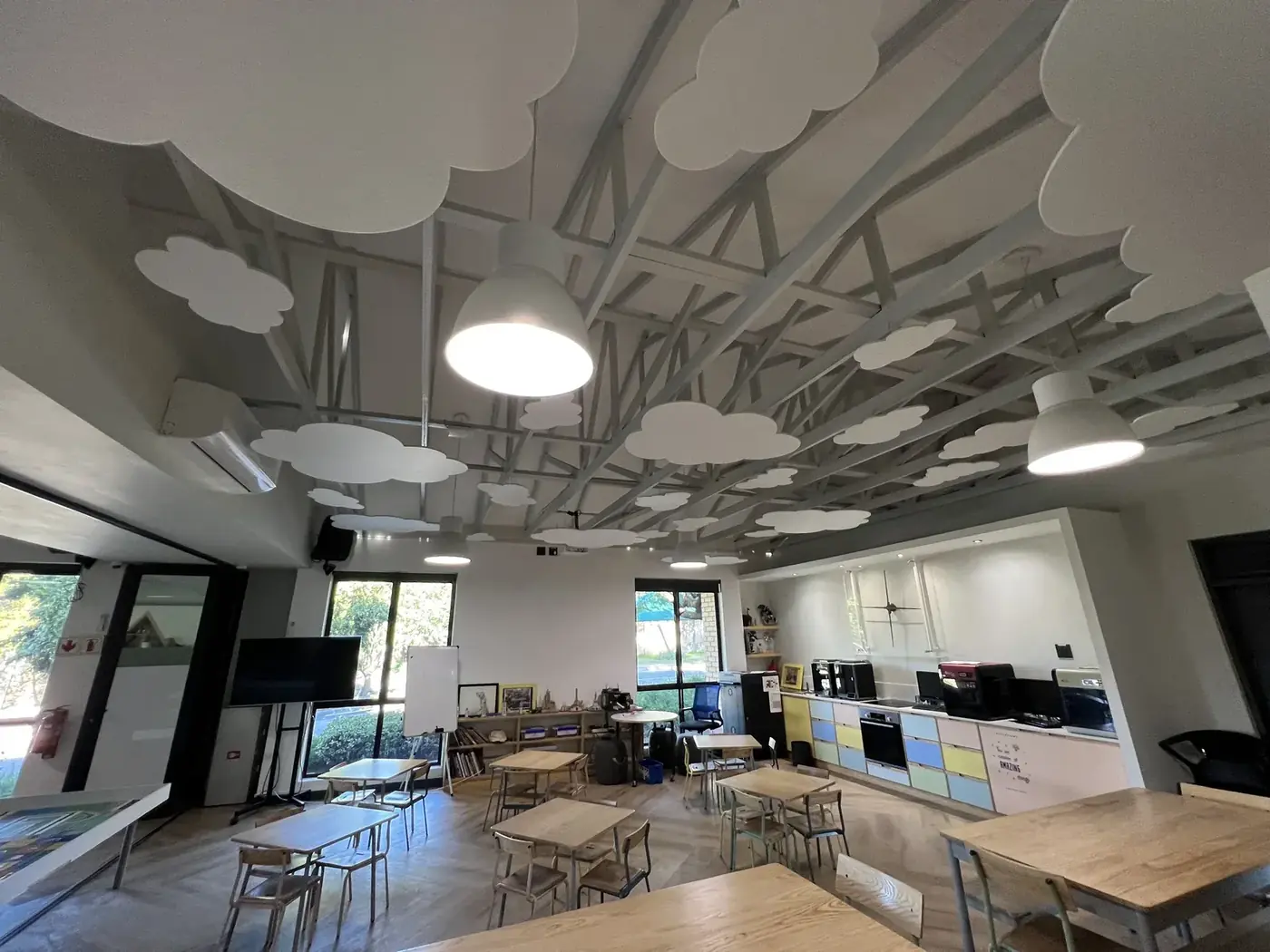
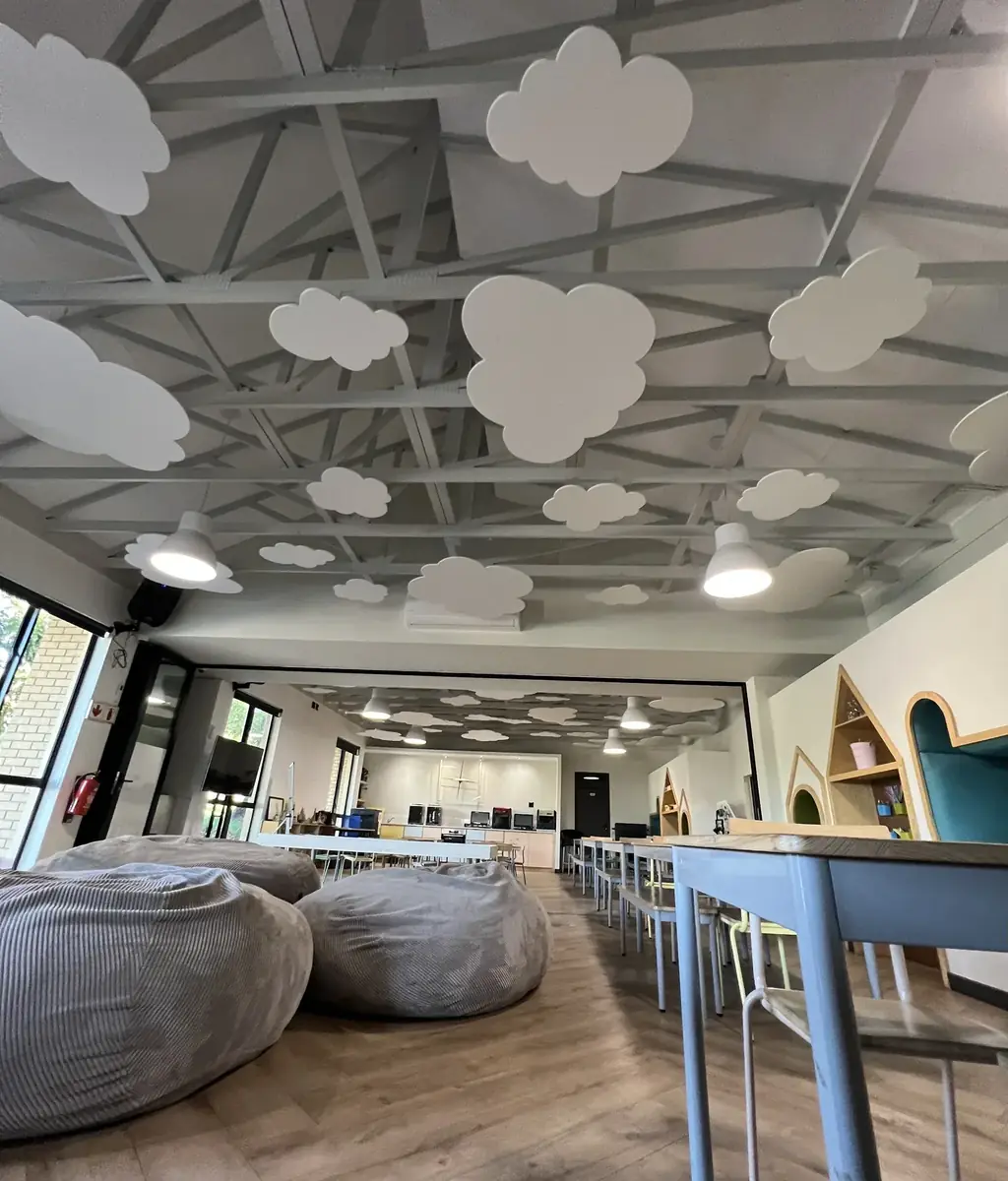
Whichever route you take, it starts in the same place. Book a site visit and we will measure your rooms and give you a written report and a quote per room, ready for your governing body, your parents or your donors. You can see what the work achieved at a school in Johannesburg on our Spaces page (contact us for more details), and what the felt is made of in our Sonic Hugs details.